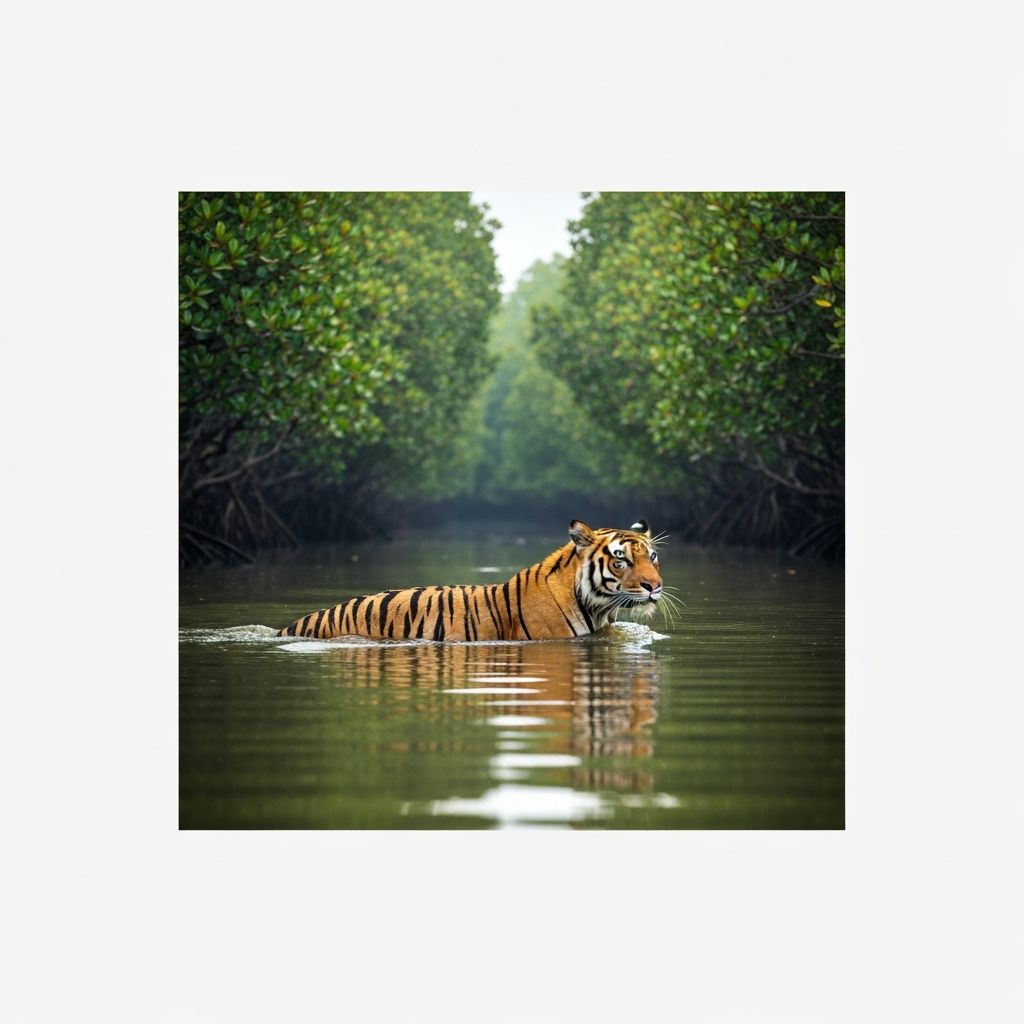
Why wildlife in Bangladesh is under pressure
Bangladesh supports remarkable biodiversity across a wide range of ecosystems. From the Sundarbans to freshwater rivers and hill forests, these habitats are home to endangered and threatened species that play important ecological roles. However, as natural systems face growing stress, wildlife survival becomes more difficult.
The most serious threats are often interconnected. Habitat destruction can increase human-wildlife conflict. Climate change can intensify stress on already damaged ecosystems. Pollution can weaken species that are already under pressure from shrinking habitat. That is why wildlife conservation in Bangladesh requires both awareness and long-term action.
The major threats to wildlife in Bangladesh
Habitat Destruction
High SeverityHabitat destruction is one of the greatest threats to wildlife in Bangladesh. Forest clearing, urban expansion, road development, and agricultural pressure are shrinking the natural homes of many species.
Key impacts
- Loss of forest cover and breeding areas
- Fragmentation of migration routes
- Reduced food sources for wildlife
- Higher risk of human-animal conflict
Climate Change
High SeverityClimate change is putting increasing pressure on ecosystems across Bangladesh. Rising sea levels, salinity intrusion, floods, and cyclones are affecting sensitive habitats, especially the Sundarbans.
Key impacts
- Increased salinity in coastal ecosystems
- Damage to mangrove and wetland habitats
- Disruption of food chains
- Greater vulnerability for already endangered species
Human-Wildlife Conflict
High SeverityAs natural habitats become smaller, wildlife is forced into closer contact with people. This often leads to conflict involving elephants, tigers, and other species that enter human settlements in search of food or movement routes.
Key impacts
- Injury or death for both people and animals
- Retaliatory killing of wildlife
- Disruption of wildlife movement corridors
- Fear and resistance to conservation efforts
Water Pollution
High SeverityRiver and wetland pollution caused by industrial discharge, plastic waste, and agricultural runoff threatens aquatic biodiversity in Bangladesh. Freshwater species are especially vulnerable to declining water quality.
Key impacts
- Harm to dolphins, fish, and river reptiles
- Decline in aquatic food sources
- Toxic contamination of habitats
- Reduced ecosystem resilience
Illegal Hunting and Poaching
Medium SeverityIllegal hunting and poaching continue to threaten rare and vulnerable wildlife. Weak enforcement, illegal trade, and habitat access make some species more vulnerable to targeted killing.
Key impacts
- Population decline of already rare species
- Loss of ecological balance
- Disruption of breeding populations
- Reduced long-term survival chances
Wetland Loss
High SeverityWetlands in Bangladesh are under growing pressure from land conversion, pollution, and unsustainable development. These ecosystems are essential for many birds, fish, mammals, and amphibians.
Key impacts
- Loss of habitat for wetland-dependent species
- Declining biodiversity
- Damage to freshwater food webs
- Less natural flood protection
Real examples from endangered species in Bangladesh
These threats are not abstract. They directly affect species across Bangladesh. The Royal Bengal Tiger faces habitat change and climate-related stress in the Sundarbans. The Ganges River Dolphin is threatened by water pollution and degradation of freshwater ecosystems. Asian Elephants face shrinking habitat and growing conflict with people as movement routes disappear.
Royal Bengal Tiger
Habitat loss and climate change in the Sundarbans
Read species profile →Ganges River Dolphin
River pollution and ecosystem degradation
Read species profile →Asian Elephant
Habitat fragmentation and human-elephant conflict
Read species profile →Fishing Cat
Wetland destruction and pollution
Read species profile →Why this matters
Wildlife is essential to ecological balance. Predators help regulate food chains. Wetland species support healthy aquatic systems. Forest species contribute to biodiversity and habitat resilience. When wildlife declines, the health of the wider ecosystem also weakens.
Protecting endangered animals in Bangladesh is not only about saving individual species. It is also about preserving forests, rivers, mangroves, wetlands, and the environmental stability that communities depend on.
What can be done
Protect and restore critical habitats
Reduce river and wetland pollution
Support community-based conservation
Strengthen awareness and wildlife education
Improve monitoring and research
Promote stronger protection for threatened ecosystems
Conclusion
The major threats to wildlife in Bangladesh are serious, but they are not impossible to address. With stronger awareness, habitat protection, research, and public support, it is possible to reduce pressure on endangered species and protect the ecosystems that sustain them.
Conservation is not only about preserving nature. It is about protecting the balance of life, strengthening resilience, and ensuring that future generations inherit a richer and healthier Bangladesh.