Threat Analysis
Major Threats to Clouded Leopards in Bangladesh
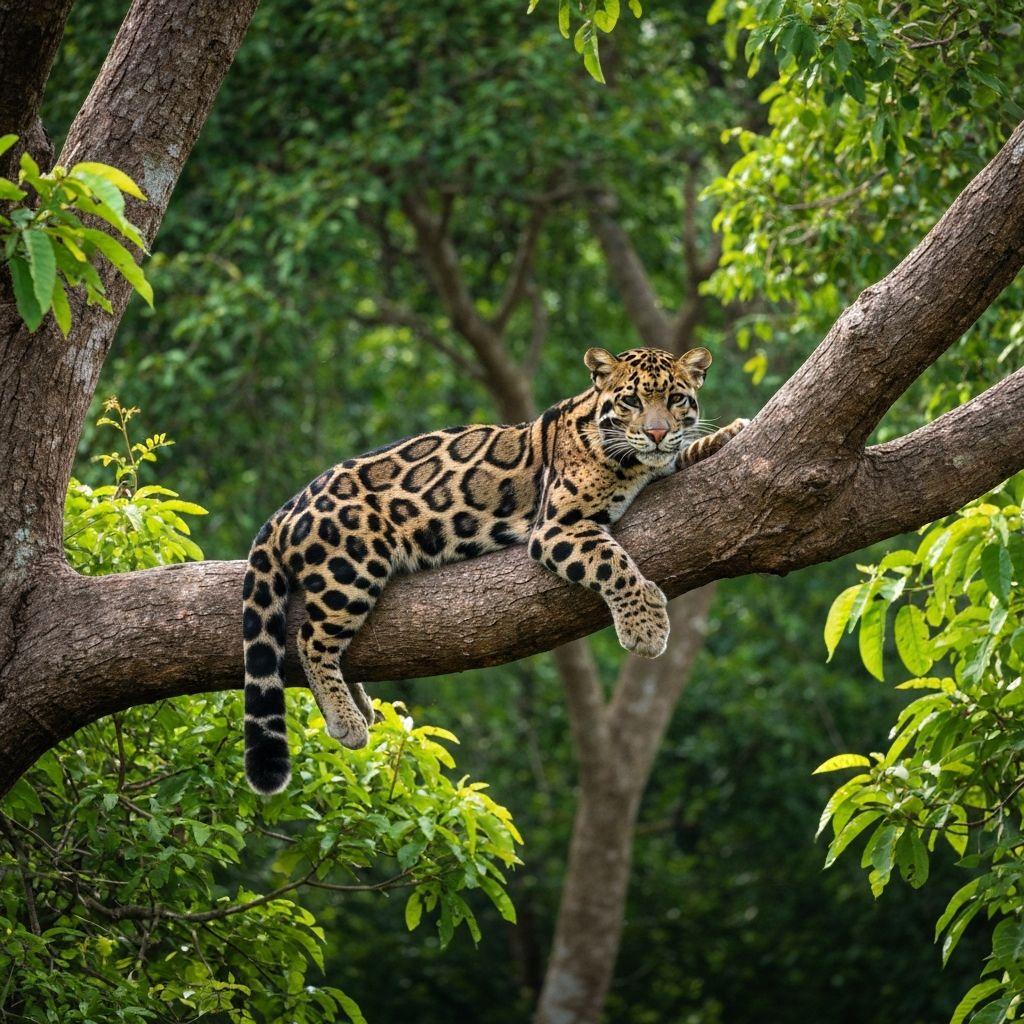
The clouded leopard is one of Bangladesh’s rarest forest predators, but its future is under severe pressure. Habitat destruction, poaching, prey depletion, and weak long-term monitoring are pushing this elusive wild cat closer to local extinction.
Key Insights
- Clouded leopards are globally listed as Vulnerable, but in Bangladesh they are treated as Critically Endangered.
- The biggest threat is rapid forest loss and fragmentation in their remaining habitat.
- Poaching and illegal wildlife trade target their pelts, bones, and teeth.
- Prey depletion makes survival harder even where forest cover still exists.
- Research gaps and weak long-term monitoring slow effective conservation action.
Status
Globally the clouded leopard is classified as Vulnerable, but within Bangladesh it is recognized as Critically Endangered.
Core Range
Its strongest remaining refuge is believed to be in the Chittagong Hill Tracts, especially the Sangu-Matamuhari forest range.
Main Risk
Rapid habitat loss and fragmentation are the most serious threats, pushing this forest-dependent cat into smaller, isolated patches.
The Biggest Threats
Catastrophic habitat loss
Clouded leopards depend on dense forest, but deforestation, urbanization, industrial expansion, and land conversion continue to destroy and fragment their habitat in Bangladesh.
Poaching and illegal trade
Their patterned coat, bones, and teeth make them targets in illegal wildlife trade networks, while opportunistic hunting in forest areas adds more pressure.
Prey depletion
Over-exploitation of forest resources reduces the birds, monkeys, and small ungulates clouded leopards rely on, weakening already fragile populations.
Research and conservation gaps
There is no official population estimate for clouded leopards in Bangladesh, and many records come from rare sightings rather than systematic long-term study.
The Disappearing Stage: Habitat Loss
The clouded leopard is completely dependent on forest habitat, yet Bangladesh has experienced fast regional deforestation. Population growth, unplanned urbanization, industrialization, and land conversion continue to shrink the dense habitat these cats need to hunt, hide, and breed. As forests break into smaller fragments, populations become isolated and more vulnerable.
Habitat fragmentation also increases the chance of human-wildlife conflict. When clouded leopards are pushed closer to settlements, they face a greater risk of being killed by people who may mistake them for more dangerous cats.
Demand for Pelts and Bones
Poaching remains a major direct threat. Clouded leopards are targeted for their striking coat, and body parts such as bones and teeth may enter illegal trade networks. Historical evidence shows this pressure is not new, and local hunting in forest communities continues to add risk for a species that is already extremely rare in Bangladesh.
Empty Forests and Prey Depletion
Even where patches of forest remain, over-exploitation of natural resources can strip ecosystems of the animals clouded leopards depend on. Small ungulates, monkeys, birds, and other prey species decline when forests are heavily disturbed. That leaves predators with less food and lowers their chances of long-term survival.
Research Gaps Make Protection Harder
A major conservation challenge is the lack of systematic data. Unlike Bengal tigers, clouded leopards in Bangladesh do not have an official population estimate or consistent national monitoring framework. Many records come from rare, opportunistic sightings rather than long-term surveys, making it harder to direct protection where it is most needed.
Conservation Action and Hope
Recent sightings
Recent camera-trap records and field sightings have confirmed that clouded leopards still survive in Bangladesh. These records are vital because they raise awareness and help direct conservation action to remaining habitat.
Legal protection
The Wildlife (Conservation and Security) Ordinance, 2026 strengthens the legal framework with penalties for hunting clouded leopards and creates stronger institutions for tackling wildlife crime.
Cross-border project
The Chittagong–Lushai Big Cat Conservation Project (2025–2028) aims to improve scientific monitoring, anti-poaching capacity, and community-based conservation for big cats across the Bangladesh–India landscape.
Why this matters now
Bangladesh may still have a final viable refuge for clouded leopards in the Sangu-Matamuhari forest range. Protecting that landscape could determine whether the species survives in the country.
Why It Matters
The clouded leopard is not only one of Bangladesh’s most elusive wild cats, but also a symbol of the country’s remaining forest biodiversity. Protecting this predator means protecting habitat, prey species, ecological balance, and the future of the forests it still calls home.